Active Projects

Lost Spaces, the Vanishing World of Adult Education

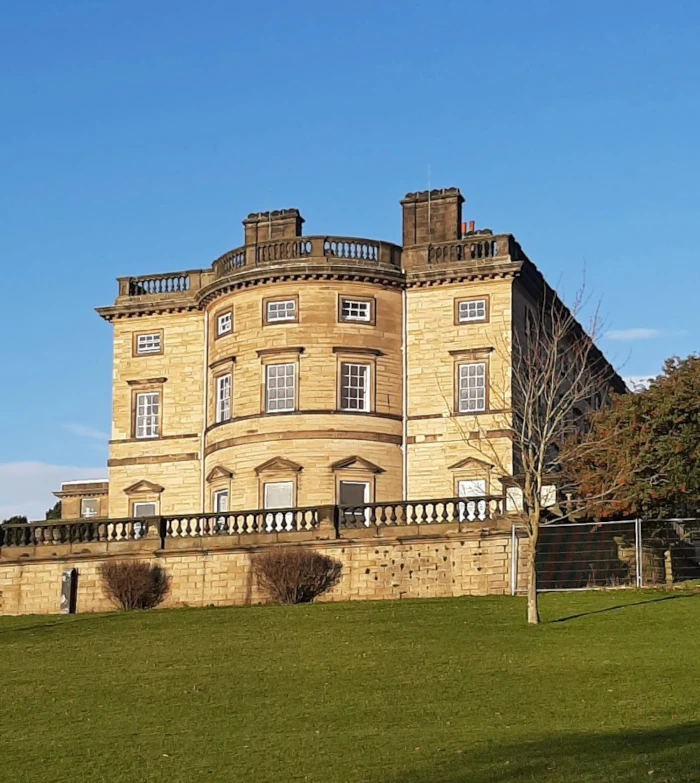
My research will explore the meanings and memories associated with former places and spaces of adult education in the UK, particularly residential adult education. By ‘lost spaces’, I refer to physical sites or locations which were used for pioneering adult education purposes in the past but are no longer in existence or have been repurposed. Nonetheless, such spaces provide a focus for the memories, experiences and voices of those who benefited from them, and many sites have stimulated educational developments beyond their life span. These elements are what I want to explore in my research.

Celebrating Resources of Hope: The Story and Place of a Research Circle

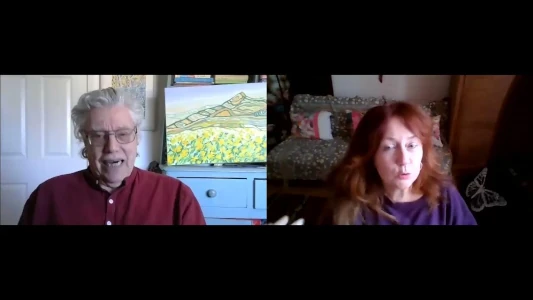
Since Spring 2021, we have convened a research circle on ‘Building community, democracy and dialogue through adult lifelong education’ and organised a series of events to challenge dominant perspectives on lifelong learning. The Circle is made up of around 10 active members, drawn from backgrounds in adult, further and higher education, the voluntary and community sector and trade union education in different regions of the UK. We all have a deep commitment to social purpose education and our objective has been the sharing of experience and critical engagement, designed to explore and generate new and existing forms of practice in the generation of hope. Our activities form part of the continuing work of The Centenary Commission on Adult Education in the UK.

Centenary Commission logo

Celebrating Resources of Hope: Community, democracy & dialogue through adult lifelong education

The first of the Centenary Commission Research Circle’s conferences on ‘Building community, democracy & dialogue through adult lifelong education‘ was held on 7 May, focussing on the theme of ‘Community, democracy and dialogue through adult lifelong education: Celebrating Resources of Hope’.

Organised by Sharon Clancy, Iain Jones, and other members of the research circle on fostering community, democracy and dialogue, it was the first in a series of three events which provide opportunities to learn about existing practices, and to meet and think about different forms of democratic adult education and imagine new forms of critical engagement.

Scroll to Top