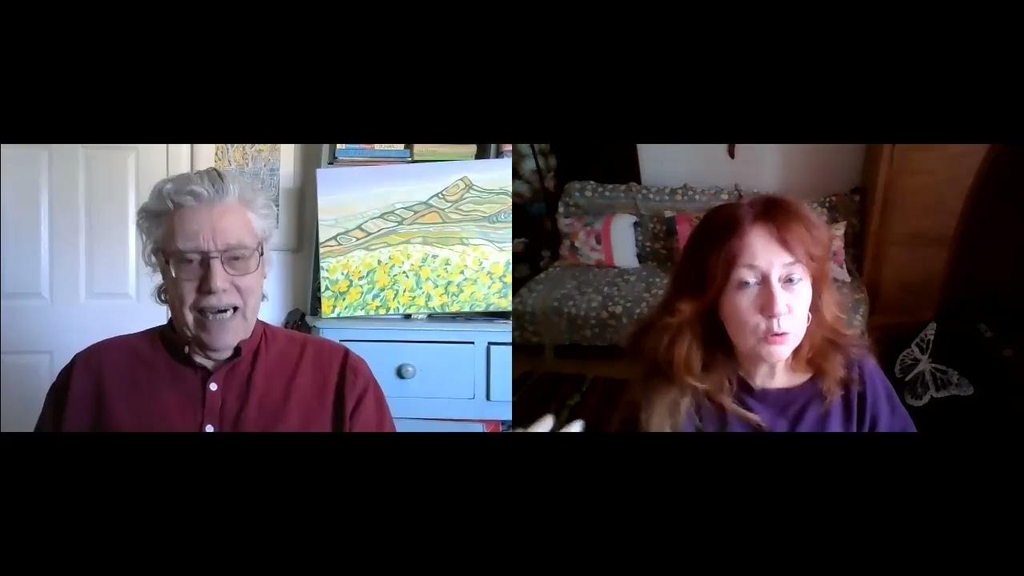
As part of ongoing research into the lost spaces of adult education within the UK, Sharon had the honour of interviewing Derek Tatton in 2021. The video of this interview is available online and the following blog post provides Sharon’s initial thinking and reflections. As a former adult educator and teacher, Derek first encountered the writing of Raymond Williams whilst attending local WEA classes. Learning eventually led to Cambridge University and being directly taught by Raymond, where Derek established a lasting friendship with him.
Derek Tatton was born in 1938. His work as an adult educator and teacher has spanned five decades – in FE colleges, as a WEA tutor organiser for 10 years and as Warden of Wedgwood Memorial College (WMC) in Barlaston, Stoke on Trent, for 24 years until 2012. He was the first, long-term Administrator for the Raymond Williams Foundation, having been instrumental in the establishment of the organisation in 1989, then called the Raymond Williams Memorial Foundation, established following a generous legacy gift from a former long-time student from WMC, Dudley Pretty. In 2008 the Raymond Williams Foundation was formed and Derek continued as Administrator well into the 2010s.
I first met Derek in 2014, on my first ever visit to Wortley Hall for a meeting with the Raymond Williams Foundation, in the first year of my PhD thesis looking at adult residential education. I was totally in awe of the collective intellect I encountered and a little overwhelmed, feeling very much out of my depth. Derek was kindness itself and gave me so much of his time and knowledge, freely and with great humility, helping me develop a picture of what the life of a Warden was like and also an understanding of the intellectual trajectory of residential education. 2014 marked the year of my father’s death and in many ways Derek, born the year after my father, became a very important father figure to me as well as an intellectual mentor.
Derek is too ill to talk about his experiences now and I am very grateful that I was fortunate enough to interview Derek in 2021 during lockdown and to learn more about his earlier life and educational experiences directly from him. He left school at 15 and worked at that time at Crewe railway station but already felt the lure of learning and began attending local WEA classes, led by Malcolm Pittock, a ferocious and powerful adult educationalist, and began to read voraciously, encouraged by Malcolm. His early encounters with Raymond Williams’ writing came at this point as Malcolm was ahead of the game, a keen early advocate of Williams’ work which was then very current but not very well known.
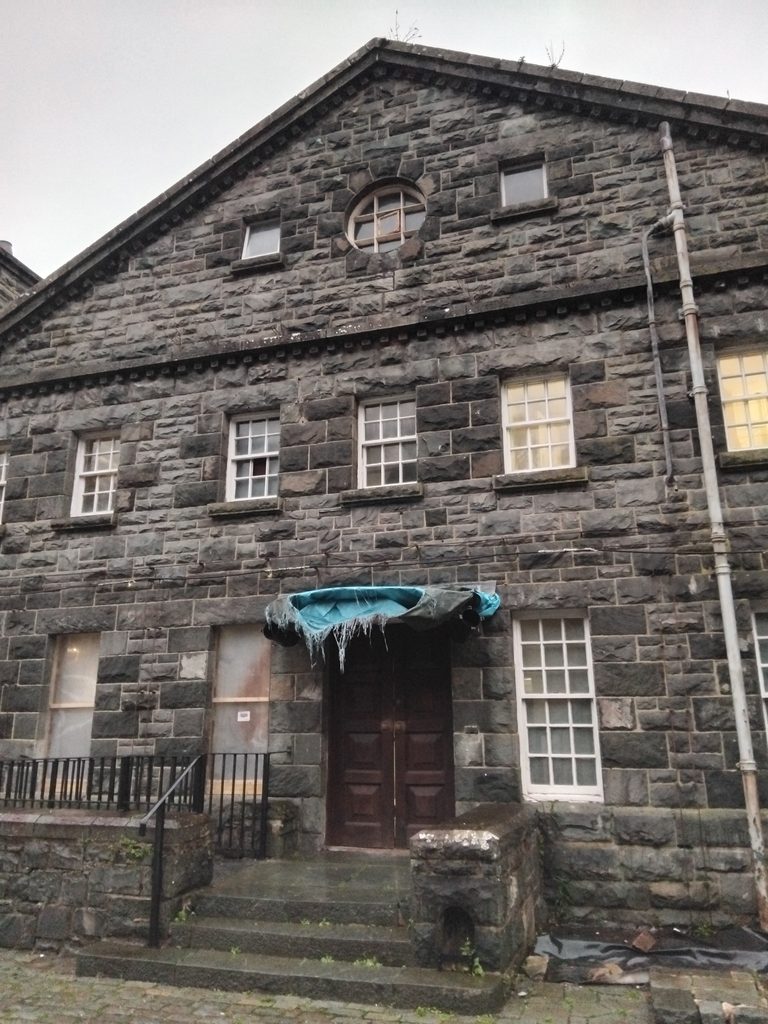
In 1960 Derek gained a place at Coleg Harlech, a very important adult residential college, founded in 1927, as Derek identified, ‘precisely at the moment when industrial Wales was experiencing the most bitter and intense confrontation between Capital and Labour: the period of the General Strike and the six-month lock-out of the miners’. Derek has written very powerfully about the college in a book chapter examining its origins and his own experience, starting there aged 22. He notes in the chapter that, despite his two years of immersion in learning there, Raymond Williams was never mentioned. What he does say about Harlech was that ’it turned out that our experience during those Coleg Harlech years was a particularly strong, even unique, working through of the radical adult education tradition’, later lamenting the loss of this tradition which I have explored myself in my current research on ‘Lost Spaces and Untold Stories’.
He then attended Cambridge University as the result of a successful Cambridge Extra-Mural Mature-Student Bursary Award application. As he said, ‘this offered the advantage not just of gaining a place at Cambridge to read English, but was also more generous than normal financial support for the three years from the Bursary. The application involved a long essay and interview. This scheme enabled ‘mature students’ to gain entry without ‘A’ level or any other examination successes’. Derek chose to submit an essay on ‘The Utopian Tradition in English Literature’. Derek was taught by Raymond Williams during his time at Cambridge and, given their mutual involvement with CND, Derek felt that a warm relationship developed between them, despite widespread comments and portrayals of Williams as being “a bit opaque and difficult to connect with as students and some people have gone beyond that even”.
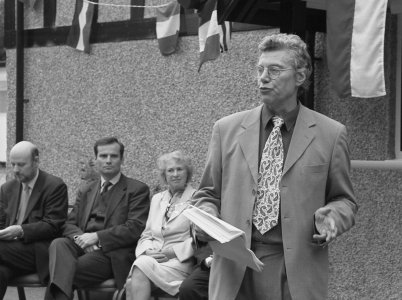
Derek’s view was that some of Williams’ most vocal decriers came from a particular, even privileged background and were people who needed very little additional support. “His attitude I think was really that people like David Hare and Terry Eagleton didn’t really need Raymond Williams or anybody else but that they could read, they could communicate with each other. Whereas somebody like me who could fail at the 11th place – I mean they knew that and that was why he was really quite warm and accommodating to me and indeed agreed to teach me when in my third year at Cambridge”. Derek was struck by Williams’ kindness as this meant an extra hour a week teaching for him. This was a lasting relationship, which Derek described as a friendship as, later, Raymond Williams supported Derek with comments, readings and guidance during the writing of his PhD thesis which Derek undertook part-time whilst working for the WEA.
The interview is very powerful and is worth watching:
The most important quotes from the interview to my mind include the following.
On Raymond Williams:
‘His writing combines the personal, the fluid the subjective with the structure, the analysis and so that’s an important part of his contribution I think’.
On reflecting on his conceptual understanding of his own journey throughout life:
‘it’s based on Kierkegaard really, the idea of us all of us being different selves at different stages in our lives so that I’m now a very different person to what I was 15 years ago, 30 years ago and yet of course they’re all interlinked and connected but the key thing is the concept of the different person really and that’s been quite important I think, me looking back on my development and history, to be aware that one is a different person’.
On July 4th 2026, Nick Mahony and I from the Raymond Williams Foundation led a symposium on adult education and community development at Fircroft College in honour of Derek’s work as a great advocate for informal learning and self-led community development, with genuine grassroots origins. This is now to become an annual event, with courses developing from it.